
Do Dental X-Rays Expose You to Less Radiation Than a Flight?
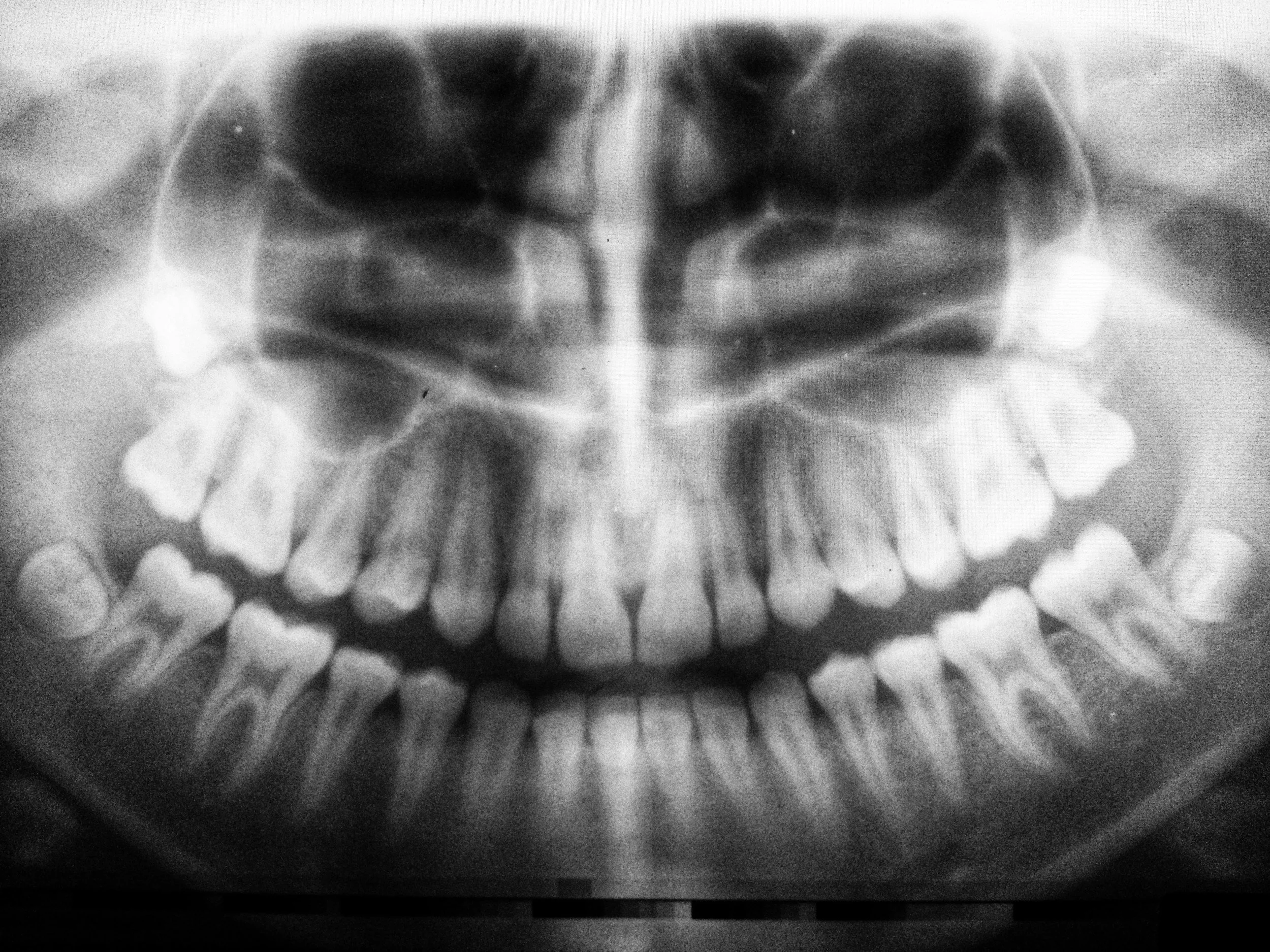
If you’ve ever paused before taking a dental X-ray and wondered how much radiation you’re being exposed to, you’re not alone. It’s one of the most common questions patients ask — and a great one.
The surprising answer? You’re exposed to more radiation during a short airplane flight than you are during a typical dental X-ray.
Here’s how that works.
Understanding Everyday Background Radiation
Radiation isn’t just something that happens in medical settings — we’re exposed to small amounts every day from natural sources like sunlight, soil, rocks, and even certain foods. This is known as background radiation.
When comparing exposure levels, it often helps to measure them against these everyday sources.
How Much Radiation Comes from Dental X-Rays?
Thanks to modern digital technology, dental X-rays use very low radiation doses. A standard bitewing X-ray is roughly comparable to one day of natural background radiation.
Even more comprehensive X-rays — like panoramic or full-mouth series — are still considered low exposure, especially relative to other common sources in daily life.
What About Airplane Flights?
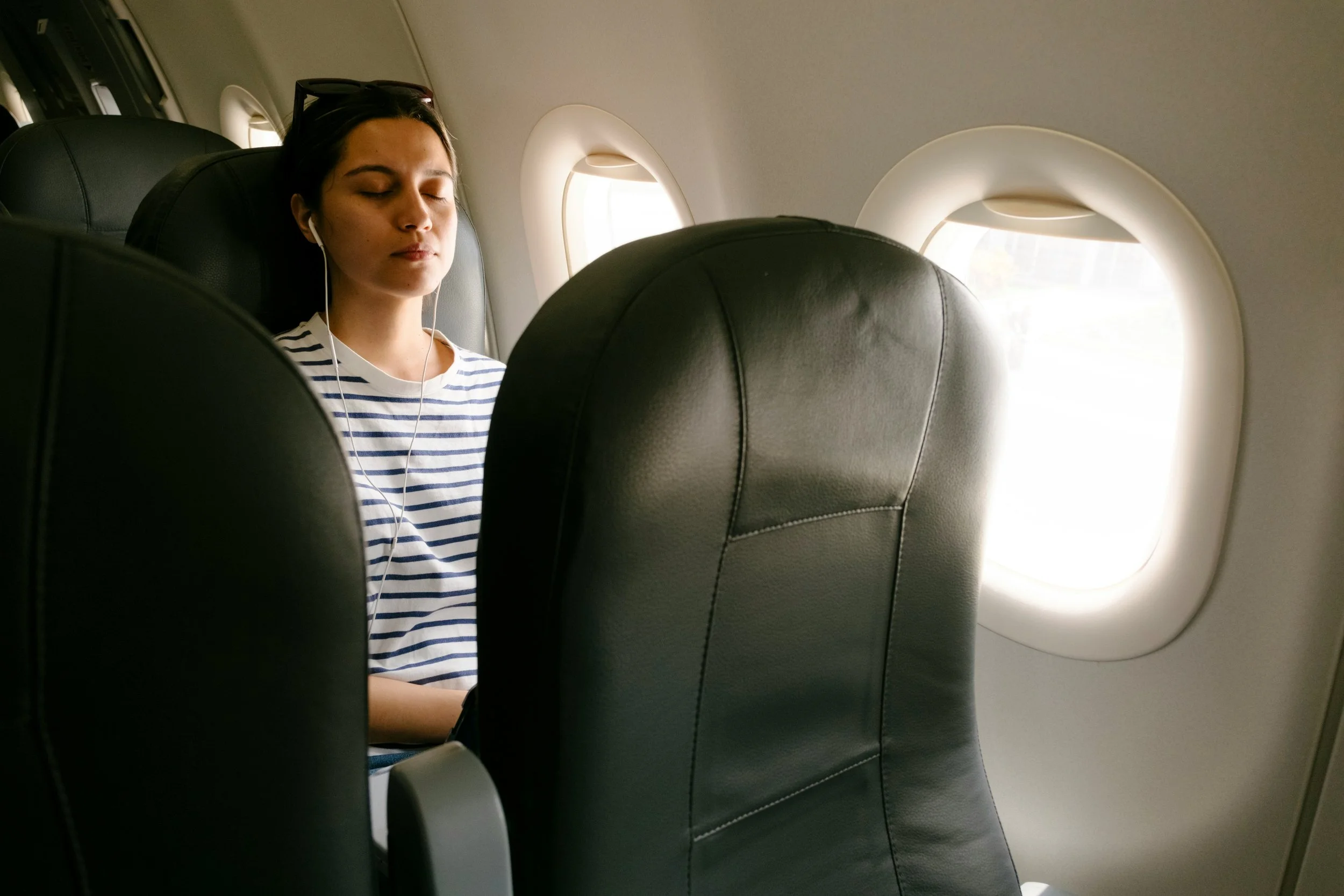
Air travel exposes you to a different type of radiation called cosmic radiation. At cruising altitude, the atmosphere is thinner and offers less protection, so exposure increases.
On average, a 1–2 hour domestic flight exposes you to more radiation than a typical dental X-ray. For frequent flyers, pilots, and flight attendants, this exposure can accumulate over time.
So Which Is Higher? The Quick Comparison
ActivityApproximate Radiation ExposureSingle dental bitewing X-ray≈ 1 day of natural background radiation1–2 hour flight≈ 2–5 days of natural background radiation
Even a full panoramic dental image can be comparable to only a few hours of flight time.
Why Dental X-Rays Matter
Dental X-rays allow your dental team to:
✓ detect cavities between teeth
✓ evaluate bone health
✓ monitor gum disease
✓ assess infections or abscesses
✓ plan for implants, crowns, or orthodontics
These diagnostic benefits often prevent more invasive or costly treatment later.
At Calleros Dental, we follow ALARA principles (As Low As Reasonably Achievable), meaning we only take X-rays when they’re clinically beneficial and use modern digital systems to keep exposures minimal.
Bottom Line
Yes — it’s true. You’re likely exposed to less radiation during a routine dental X-ray than during a short flight.
Dental X-rays are considered safe, low-dose, and essential for maintaining your oral health over time.
If you ever have questions about X-rays or your treatment plan, our team is always happy to talk through it with you.
Sources & References
🔗 International Atomic Energy Agency (IAEA) — Radiation in Dentistry
🔗 American Dental Association — Dental X-Ray Safety & Guidelines
🔗 XrayRisk.com — Radiation Exposure Comparisons
🔗 U.S. Nuclear Regulatory Commission — Background Radiation / Radiation Dose Info
🔗 Rescue X-Ray — Flight-Time Equivalent Dose
🔗 National Council on Radiation Protection & Measurements (NCRP)
https://ncrponline.org/