
Does Matcha Contain More Fluoride than Toothpaste? A Dentist’s Take…
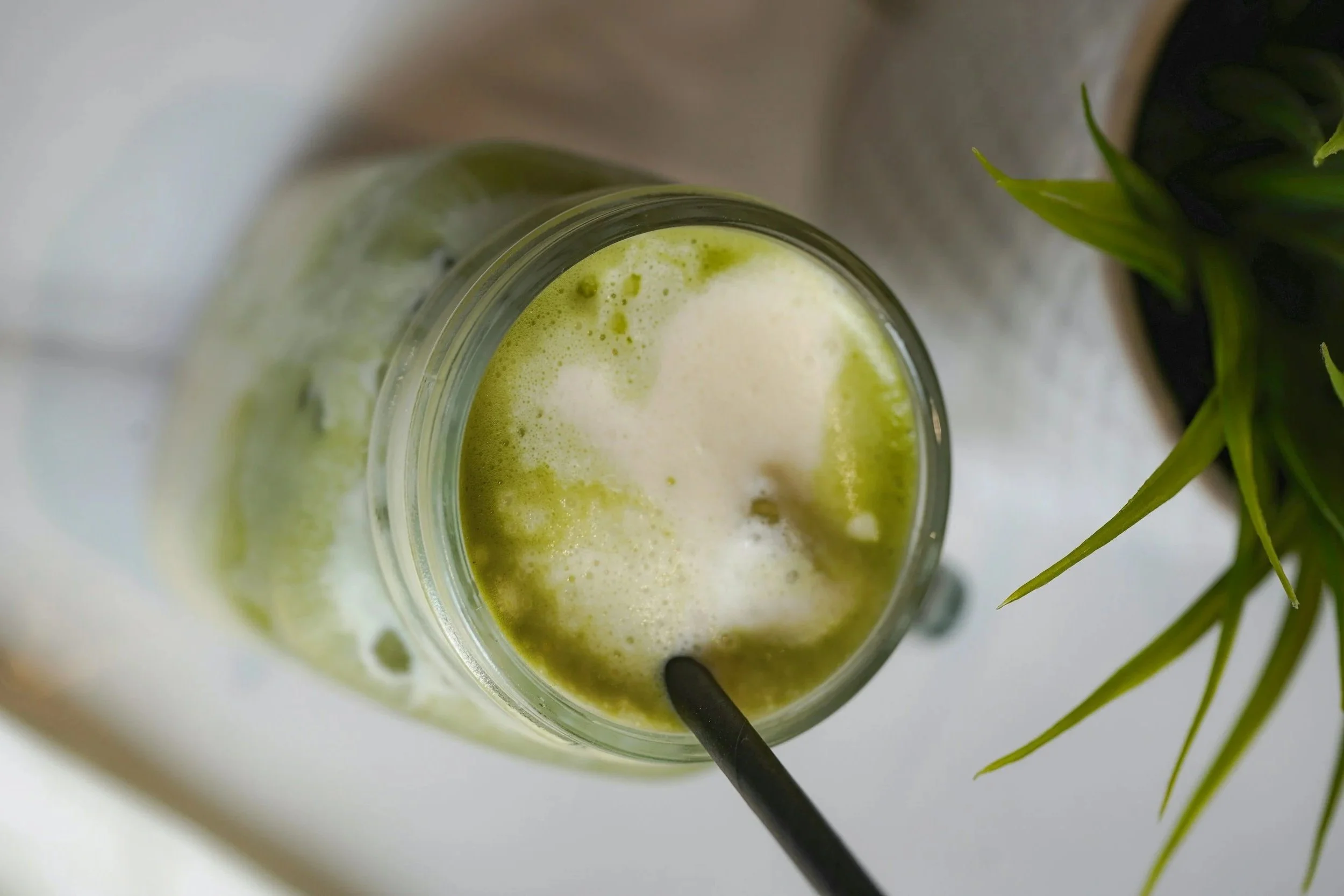
Iced matcha tea
At Calleros Dental in El Segundo, we love when patients ask smart questions about what they’re putting in their bodies and how it may affect their oral health. One topic that’s been circulating online lately is matcha and fluoride.
So… is it true that matcha contains more fluoride than toothpaste?
The short answer: Not exactly. But the conversation is worth having.
Why Matcha Contains Fluoride
Tea plants naturally absorb fluoride from the soil as they grow. Because matcha is made by grinding whole tea leaves into a fine powder, you’re consuming the entire leaf—not just steeping it like traditional green tea.
That means matcha can contain a measurable amount of fluoride, sometimes more than people realize.
A cup of matcha may contain roughly 1 to 2 milligrams of fluoride, depending on:
Where the tea was grown
Soil conditions
Leaf age and quality
How concentrated the preparation is
How Does That Compare to Toothpaste?
This is where many social media posts get confusing.
Fluoridated toothpaste typically contains about 1,000 to 1,500 ppm (parts per million) fluoride. That’s a much higher concentration than matcha.
However, when you brush your teeth, fluoride toothpaste is designed for topical use—meaning it strengthens enamel on the surface of your teeth. Most people spit it out rather than swallow it.
So while a cup of matcha may contribute some ingested fluoride, toothpaste delivers a much higher fluoride concentration directly to your teeth.
These are two very different types of exposure.
Should You Stop Drinking Matcha?
For most healthy adults, absolutely not.
Matcha can offer benefits that include:
Natural antioxidants
Reduced oxidative stress
Gentle energy from caffeine and L-theanine
Support for focus and alertness
For most people, moderate matcha consumption is not a dental concern.
The bigger issue is often what gets added to your matcha, such as:
Sweetened syrups
Added sugars
Frequent sipping throughout the day
Those habits can increase your risk for cavities more than the fluoride itself.
What Matters Most for Your Teeth
At Calleros Dental, we focus on evidence-based prevention. That includes:
Daily brushing with fluoridated toothpaste
Consistent flossing
Professional hygiene visits
Advanced preventive care like Guided Biofilm Therapy (GBT) when appropriate
If you enjoy matcha, there’s no reason to panic. The key is understanding the difference between fluoride that protects your enamel and fluoride you ingest through food or beverages.
The Bottom Line
Matcha does contain fluoride—but that does not mean it contains more fluoride than toothpaste in a meaningful dental sense.
Toothpaste delivers a much higher fluoride concentration and remains one of the most effective tools we have for preventing cavities.
Have questions about fluoride, enamel health, sensitivity, or preventive care? We’re always happy to talk science, prevention, and the small habits that protect your smile for years to come.