
The Mouth Is Not Separate from the Body. So Why Is Our Healthcare System Built That Way?
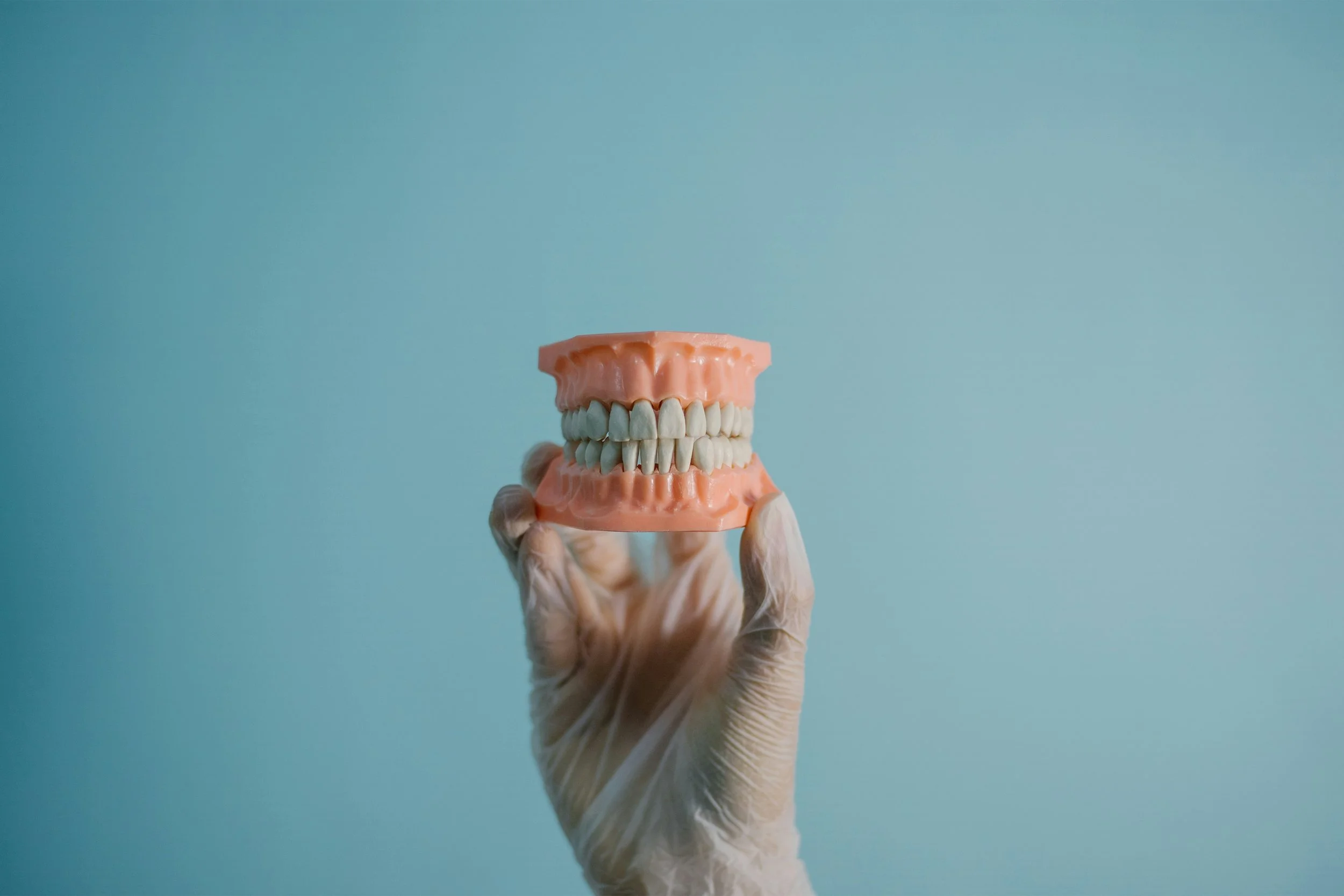
On World Oral Health Day, let’s take a closer look at the connection we’ve overlooked…
In recognition of World Oral Health Day, it’s worth reconsidering something most of us rarely question: Why do we treat oral health and overall health as if they are separate? Your mouth is not separate from your body, and yet, for generations, dentistry and medicine have been divided into entirely different systems…with different providers, different insurance, and often, very different conversations. The truth is, that divide was never based on how the body actually works. And today, we’re beginning to understand why that matters.
Your Mouth Is Part of Your Body, Not Apart From It
It may seem obvious, but the structure of our healthcare system often suggests otherwise. Your mouth is the entry point to your body. What happens there doesn’t stay there. Research continues to show strong associations between oral health and broader health conditions, including heart disease, diabetes, and systemic inflammation. Gum disease, in particular, is not just a localized issue, it is an inflammatory condition that can influence the body as a whole. When oral health is supported, overall health tends to follow.
The Role of Inflammation
One of the most important links between oral health and systemic health is inflammation. When harmful bacteria accumulates in the mouth, the body responds. Over time, chronic inflammation in the gums can contribute to inflammation elsewhere in the body. Rather than thinking of oral health as isolated, it is more accurate to see it as part of a larger internal system, one that is constantly communicating and responding.
Why Dentistry and Medicine Became Separate
The separation between dentistry and medicine is less about science and more about history. In the 19th century, dentistry and medicine developed along different educational and professional paths. Dentistry focused primarily on the mechanical treatment of teeth: extractions, restorations, and later, aesthetics. Medicine, by contrast, evolved around internal systems, disease management, and surgical care. Separate schools, licensing boards, and insurance models reinforced this divide. Over time, what began as a practical distinction became a permanent structural separation. Even as research has increasingly demonstrated the connection between oral health and overall health, the systems themselves have remained largely independent.
A Shift Toward Whole-Body Health
There is now a growing movement within healthcare to reconnect these two perspectives. Modern dentistry is becoming more preventative, more personalized, and more aligned with overall wellness. The focus is shifting from simply treating problems to understanding how oral health fits into the broader picture of long-term health. Here at Calleros Dental, this approach is central. Oral health is not viewed in isolation, but as part of a more comprehensive understanding of the body.
What This Means for You
Caring for your smile is not only about appearance. It is an important part of caring for your health. Routine visits, early intervention, and consistent at-home care all play a role in maintaining not just dental health, but overall well-being. Small, consistent actions can have a meaningful impact over time.
A More Connected Approach to Care
World Oral Health Day serves as a reminder that health is interconnected. When you prioritize your oral health, you are supporting something larger than your smile: You are contributing to your long-term health in a way that is both simple and significant.